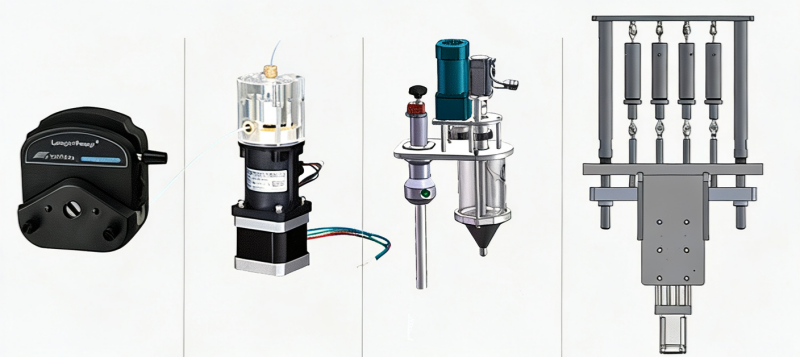
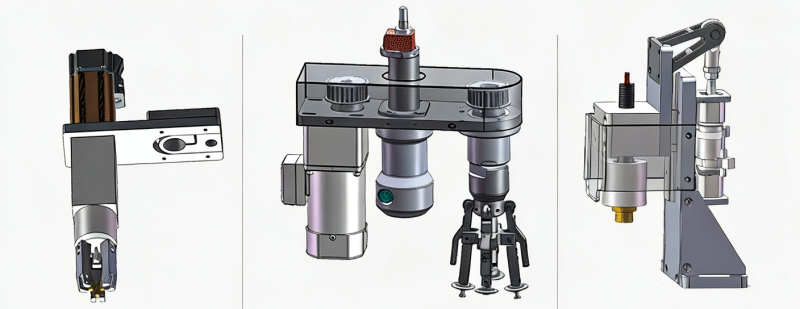
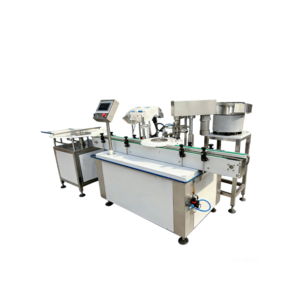
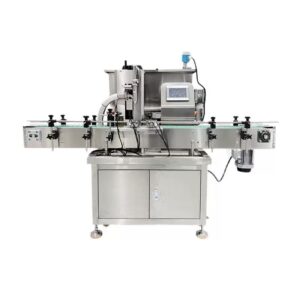
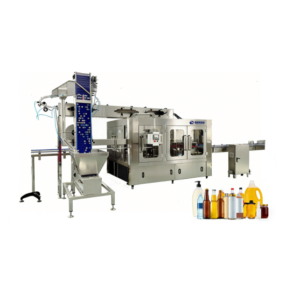
Key Differences Between the 4 Filling Systems:
 Peristaltic Pump
Core Working Principle: Uses a rotating roller to squeeze a flexible tube, creating a vacuum to draw and dispense liquid without the fluid touching any mechanical parts.
• Best For: Low-viscosity, sterile, or sensitive liquids (e.g., eye drops, reagents, essential oils)
• Key Advantages:
◦ 100% sterile filling (fluid only contacts the tube, no cross-contamination)
◦ Easy to clean and maintain, ideal for small-batch, frequent product changes
◦ Low cost, compact design
• Limitations: Lower accuracy for high-volume filling; tube wear over time
• Ideal Use Case: Pharmaceutical eye drops, lab reagents, cosmetic serums, and small-dose liquid filling
Syringe Pump
Core Working Principle: Uses a precision stepper motor to drive a syringe, drawing liquid into the syringe and then dispensing it with exact volumetric control.
• Best For: Ultra-precise, small-dose liquid filling (e.g., 0.1ml–50ml eye drops, injectables)
• Key Advantages:
◦ Industry-leading filling accuracy (±0.5% or higher)
◦ Fully controllable filling speed and volume, perfect for micro-dosing
◦ Gentle on liquids, suitable for shear-sensitive materials
• Limitations: Lower throughput compared to piston pumps
• Ideal Use Case: High-precision pharmaceutical filling (eye drops, vaccines), cosmetic micro-dosing, and lab automation
Powder Filling Head
Core Working Principle: Uses an auger screw or volumetric cup to measure and dispense dry powder, with motor-driven control for consistent dosing.
• Best For: Dry powders, granules, and fine particulate materials (e.g., pharmaceutical powders, spices, cosmetic powders)
• Key Advantages:
◦ Designed exclusively for solid/ powder materials, no liquid compatibility issues
◦ Adjustable dosing for different powder densities
◦ Can integrate with dust collection systems for clean filling
• Limitations: Not suitable for liquids; accuracy depends on powder flowability
• Ideal Use Case: Powdered medicine, supplement powders, cosmetic powder filling
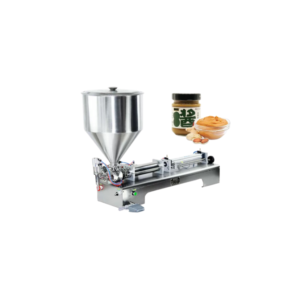
Piston Pump
Core Working Principle: Uses a reciprocating piston to draw liquid into a cylinder and then push it out, delivering consistent volumetric filling.
• Best For: High-viscosity liquids, pastes, and high-volume production (e.g., creams, sauces, lotions)
• Key Advantages:
◦ High throughput, suitable for large-scale production lines
◦ Excellent accuracy for medium-to-high viscosity fluids
◦ Robust construction, durable for continuous operation
• Limitations: Less ideal for ultra-small, micro-dose filling compared to syringe pumps
• Ideal Use Case: Cosmetic creams, food sauces, pharmaceutical ointments, and high-volume liquid filling